Hidden Figures
Build Phase





Launch Phase
Analysis Phase
Gravity and momentum are working against each other, with gravity pulling the rocket down and momentum pushing it up. Air resistance also slows the flight a little (although the calculations don’t account for that).
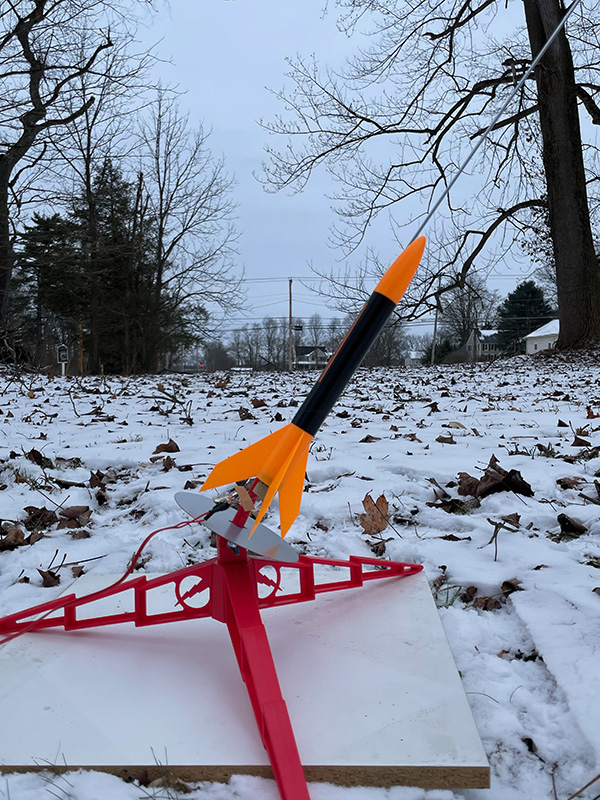
The angle of launch (60°) meant the rocket would go further horizontally than a vertical launch. A higher angle would increase the vertical distance and reduce the horizontal distance, and lower angle would reverse that.
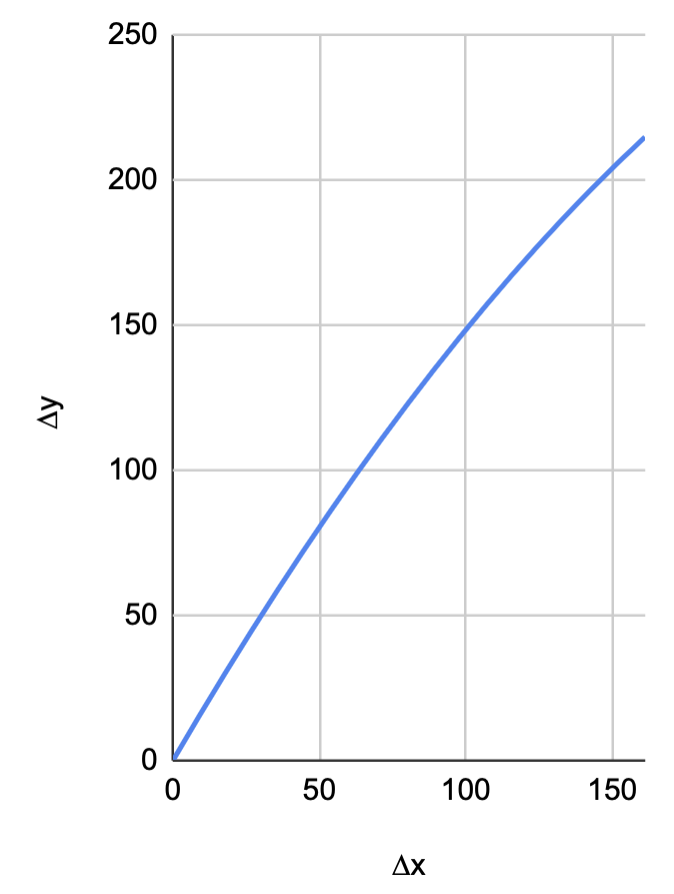
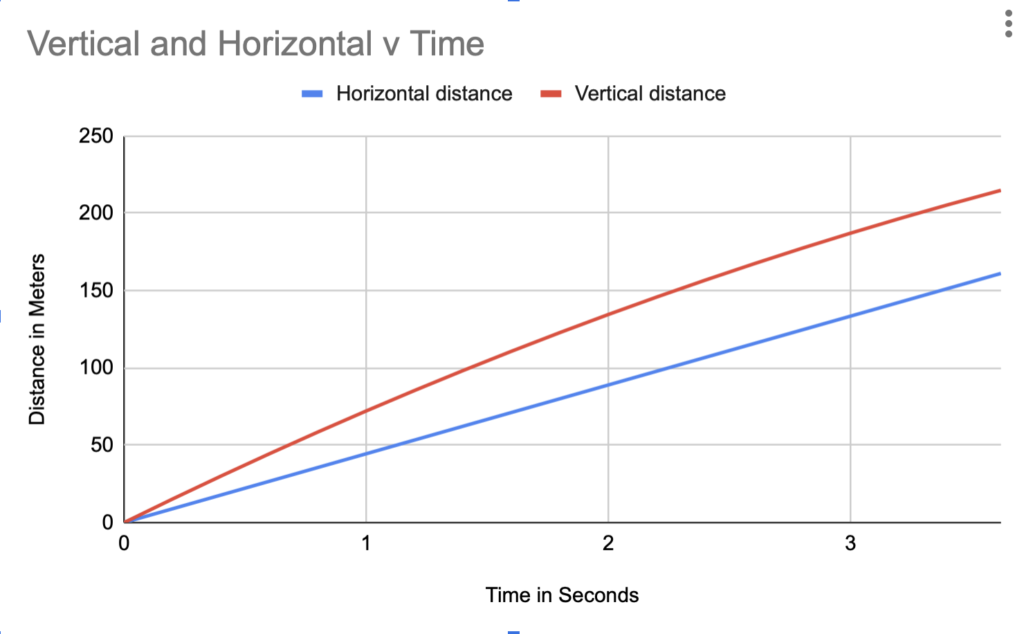
Other factors that could affect the flight include a more or less powerful engine, a lighter or heavier body, and environmental factors like wind.
Here is a spreadsheet with the math.
Argument Phase: Diversifying Aerospace
One problem with diversity in aerospace is that these jobs originally drew from the military. Because of that there have historically been very few options for people with disabilities to work in the aerospace field. But even if being disabled prevents you from becoming an astronaut, there’s no reason it should keep you from doing all of the equally-important jobs that don’t require the same kind of rigorous physical training.
Engineering, rocket design, computer science, and data analysis are all areas that can be open to anyone, regardless of disability. And programs like AstroAccess are proving that human space flight itself doesn’t need to be limited to the non-disabled.